
Your Site Builders Podcast
Season 4, Episode 2
If you’ve been following along with the Your Site Builders podcast, you know that Bob doesn’t just talk search engines — he talks to you. As a real person, running a real business, probably from your home office (or your kitchen counter, and that’s totally fine). This week’s episode had two really solid segments that are worth breaking down: one about using your analytics without overcomplicating things, and one that’s basically a masterclass in not burning out.
1. Your Analytics Aren’t Telling You What to Do — They’re Giving You Options
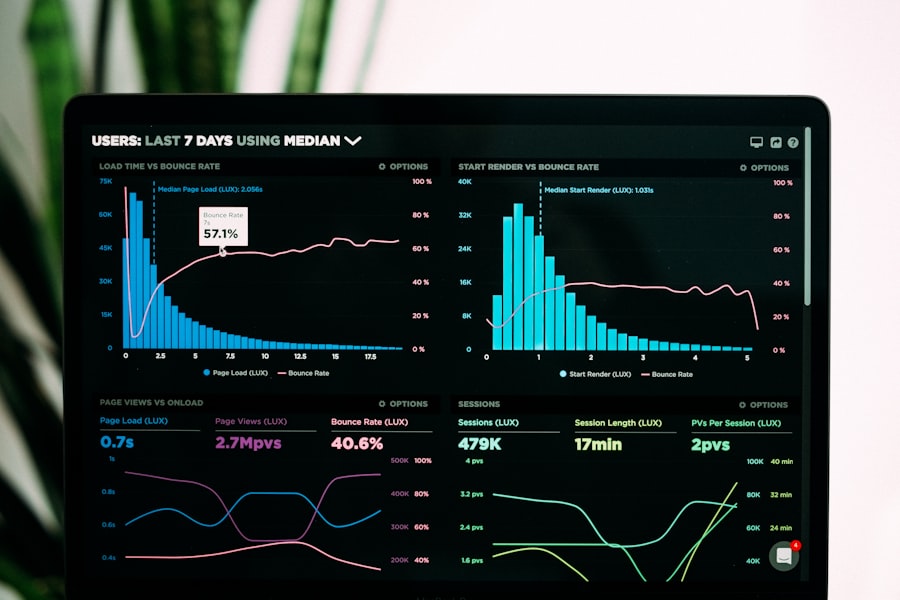
Use your data as a guide, not a rulebook.
During a recent live webinar session, someone asked a question that a lot of people are probably thinking but not saying: “Do I really have to choose just one platform to improve at a time?”
Bob’s answer? Not at all.
When you’re reviewing your acquisition data and you see that Facebook is sending you new traffic, it’s easy to fall into the trap of thinking this is a binary decision: double down on Facebook, or switch focus somewhere else. But that’s not how it actually works. If you feel like you have the bandwidth to improve Facebook AND pick up Instagram AND explore Pinterest — go for it. The data is a guide, not a rulebook.
That said, Bob made one really important point here that’s easy to miss: don’t overload your
self trying to do everything at once, especially if you’re still getting comfortable with the basics. Forward progress is forward progress. Someone posting three times a week on Facebook is already ahead of the competitor who’s posting nothing. You don’t have to sprint. You just have to keep moving.
The takeaway: read your analytics, act on them in whatever way makes sense for where you are right now — and don’t let “doing it perfectly” stop you from doing it at all.
2. Your Environment Matters More Than You Think
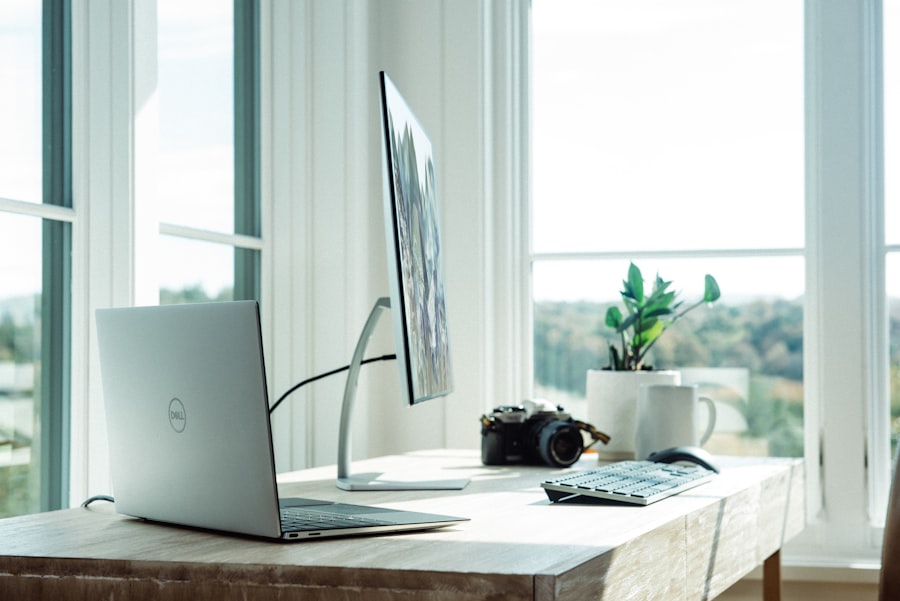
A dedicated space — even a small one — puts you in work mode.
Bob shifted gears in the second half of the episode to something a little more personal: the nuts and bolts of actually functioning as a home-based business owner. And the first thing on his list was creating a dedicated workspace.
This doesn’t mean you need a spare bedroom or a WeWork membership. It means having somewhere — a desk in the corner, a foldable table in the reading nook, anywhere — that your brain associates with getting work done. When you’re “in the pocket,” as Bob puts it, you perform better. Simple as that.
From there, he went deep on something unexpectedly practical: the physical paper calendar. In a world where everything lives on a phone or laptop, Bob swears by a big tabletop paper calendar you can glance at any time of day. Why? Because digital reminders catch you off guard. A paper calendar lets you see what’s coming and mentally prepare — whether it’s a coaching call, a webinar, or just a day you’ve blocked off for writing blog posts.
The combination of a real workspace and a real calendar isn’t glamorous advice, but it works. When you can see your week laid out in front of you and you have a place to sit and actually do the work, things get a lot less chaotic.
3. Motivation and Rest Are Part of the Job

Rest isn’t a reward — it’s part of the process.
The last stretch of the episode was about two things that often get treated as optional: having something in your workspace that motivates you, and actually taking time off.
On the motivation side, Bob keeps it simple — a photo of his kid, a toy left on his desk. Whatever reminds you why you’re doing this. It sounds small, but when you’re staring at a blank blog draft and questioning all your choices, having that visual anchor in your workspace can pull you back. Find yours.
On the rest side, Bob was pretty direct: pick a day (or two) and actually step away from the business. Don’t check email. Don’t approve course requests. Recharge. Because if you’re burned out, the content you produce is going to show it — and so will your ability to stay consistent over time.
And if you can’t manage a full day off, even small breaks help. Stuck on a blog post? Walk away for 20 minutes. Come back with fresh eyes. Muscling through when you’re tapped out rarely produces your best work.
The through-line here is that running a business from home requires protecting your energy just as much as it requires protecting your time.
Bottom Line
This episode was a good reminder that SEO and digital marketing aren’t just about keywords and content calendars — they’re about building sustainable habits as a business owner. Use your data flexibly. Create an environment that supports focus. And take care of yourself enough to actually show up with something to give.
If any of this resonated, Bob’s live webinar sessions go even deeper — and apparently the Q&A is where some of the best stuff comes out. Find him at facebook.com/yoursitebuilders.
Your Site Builders Podcast • Season 4, Episode 2